By Mursel Sabir
In February of this year, we had the honor of traveling to Johannesburg, South Africa to attend a conference on international human rights law concerning racial and gender apartheid.
We gathered at the Nelson Mandela Museum with comrades from South Africa, Namibia, and Palestine to share experiences, engage in strategy building, and build critical solidarity across our communities. The conversations weren’t easy, but they represent an important moment as part of the continuous efforts to recognize the systematic harms faced by communities around the world in need of legal definition under human rights law. In laymen’s terms, we’re trying to change international law to ensure that the systematic oppression of women is seen as a crime against humanity. That way, we can hold the perpetrators accountable.
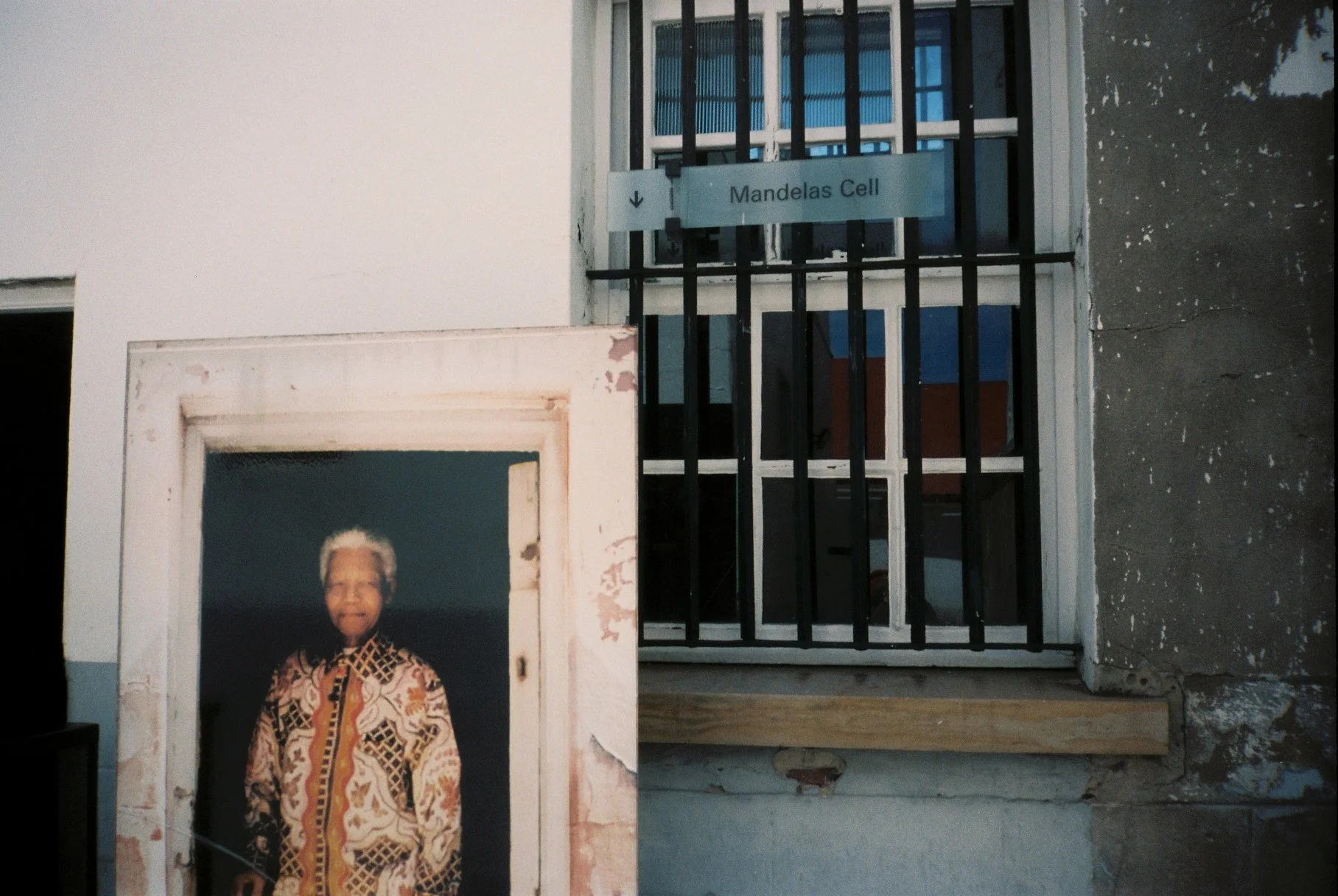
Nelson Mandela’s former prison cell in Johannesburg, South Africa.
Each community shared their challenges, feeling empowered by a common struggle towards liberation that allowed them to uncover their most pressing issues. Eager to learn, we listened intently, and where possible, sought to convey the reasons why the struggles Afghans face — which span across 50 years and are entrenched in forms of colonial narratives seen at exacerbated levels in the communities of our comrades — makes us more alike than different.
This experience was especially extraordinary, as it was settled within the backdrops of a new South Africa, one that continues to grow and heal since its liberation from the apartheid regime that ended in the early 1990s.
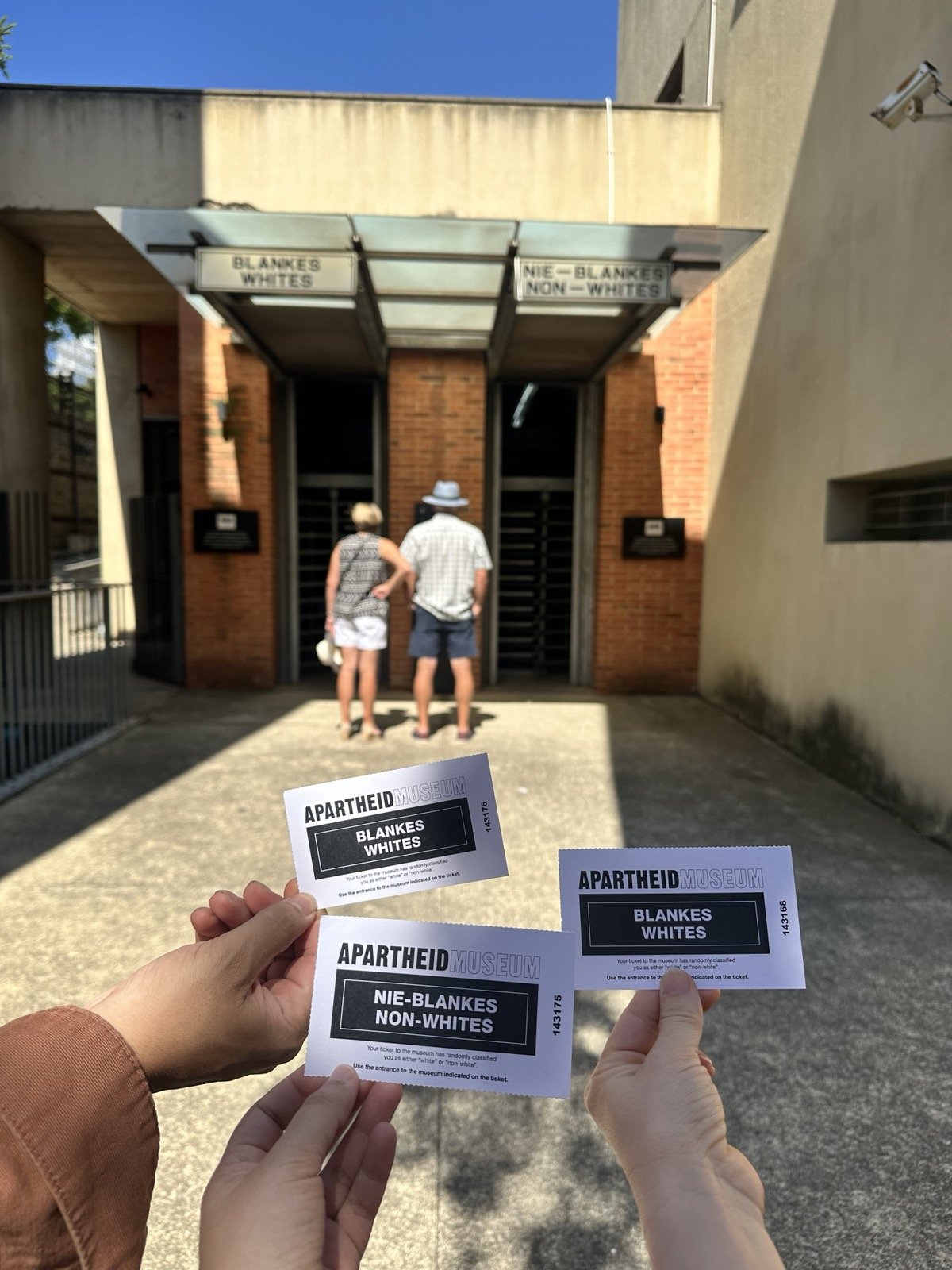
Our visit to the Apartheid Museum.
The scars and legacy of apartheid remain, and the challenges remain great. We drove through communities and remnants of townships and gold mines. We walked through shopping centers home to historical police raids against ANC members and entered the halls of prisons that once housed opponents and activists fighting against apartheid. We even saw the room in which Nelson Mandela himself was once briefly imprisoned. I broke my Ramadan fast in the alleyway of a busy food hall, home to shopkeepers and workers who likely still possess their old racial classification cards that were once mandatory documents under apartheid.
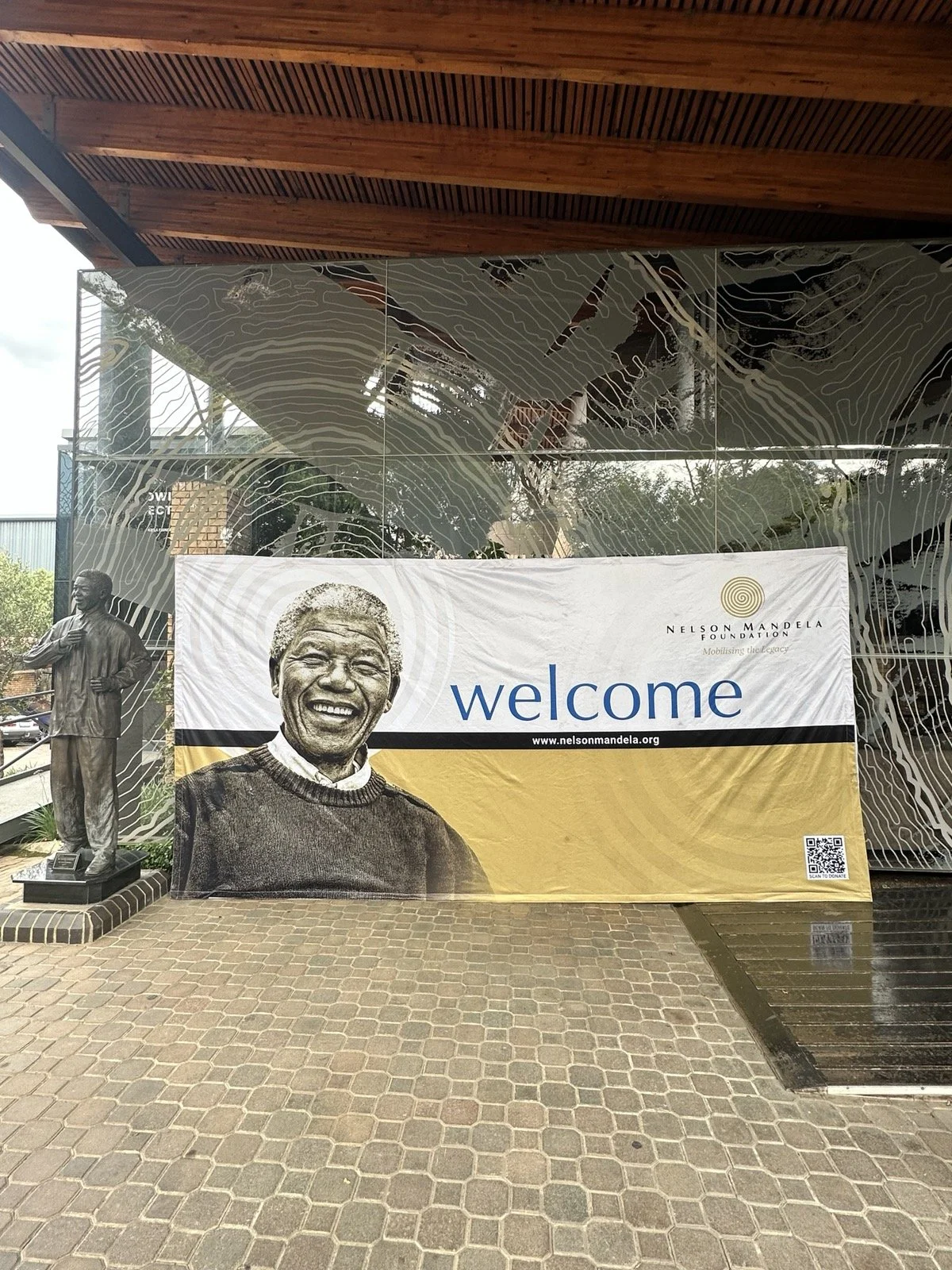
At the Nelson Mandela Foundation.
We learned about a painful history in the company of some incredible local South Africans who themselves led and continue to lead the fight towards a better future. We shared our histories, exchanging stories about Afghanistan with our South African friends. We laughed and reflected together, dreaming of a better future for our communities.
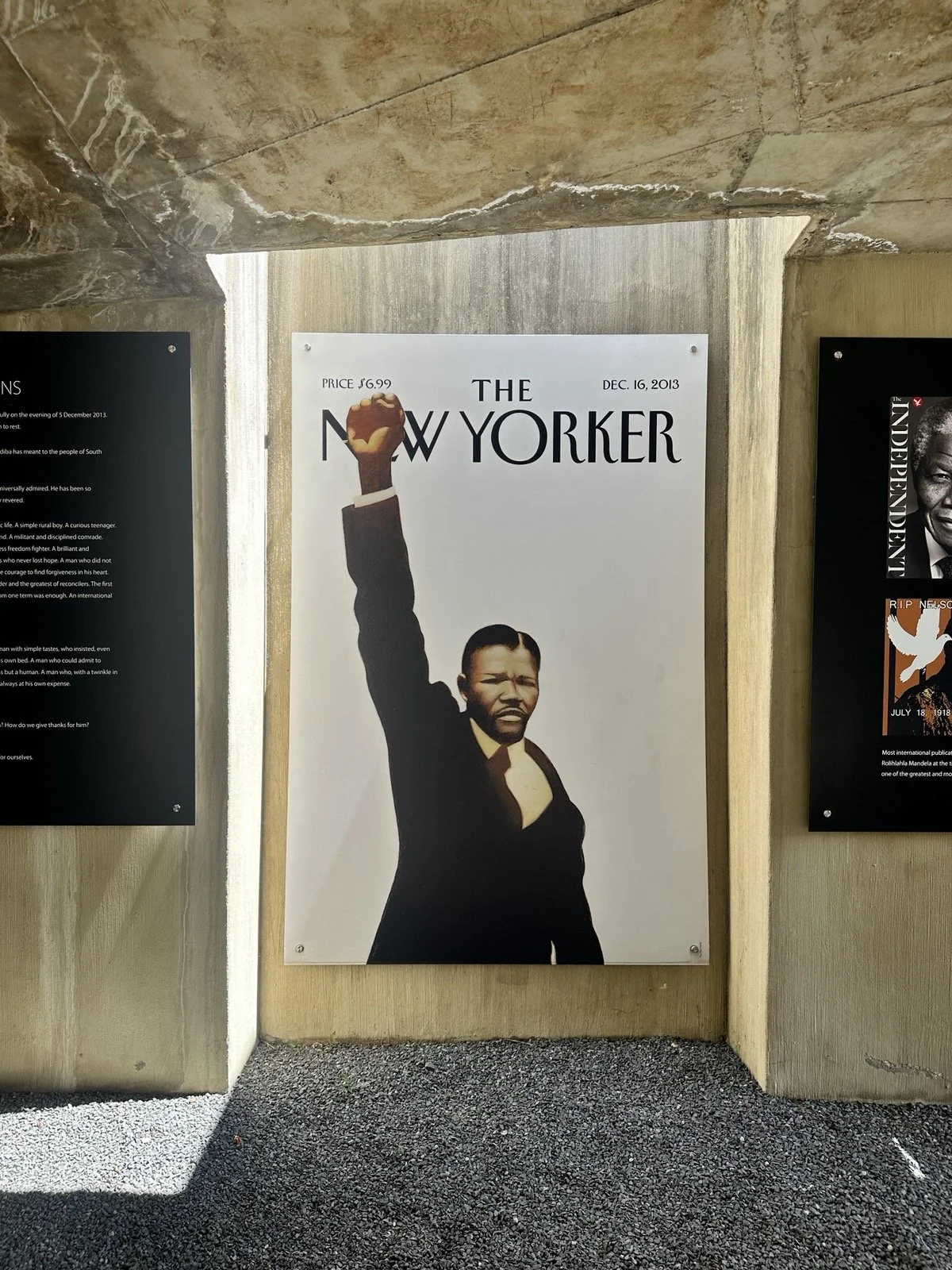
An exhibit at the Apartheid Museum.
This experience was formative, and was important for reaffirming our work to recognize gender apartheid in Afghanistan, and our need to stand in solidarity with our colleagues in South Africa, Namibia and Palestine on the fight to dismantle apartheid systems and demand reparations for its legacies.As the April 30th deadline for UN member states to propose amendments to the draft articles for the Crimes Against Humanity Treaty is fast approaching, I think about the urgency of this moment. As an Afghan, it is imperative to stand in solidarity with and in respect for all those who’ve historically and currently live under apartheid systems, which is the case for Palestinians who live under Israeli rule. Our work to have the international community recognize gender apartheid must be done by also recognizing its origins and legacies in other communities. Without that, our work will remain unjust and incomplete.
Mursel Sabir is Project Coordinator for Afghans For A Better Tomorrow.